Within the domain of lasting customs,
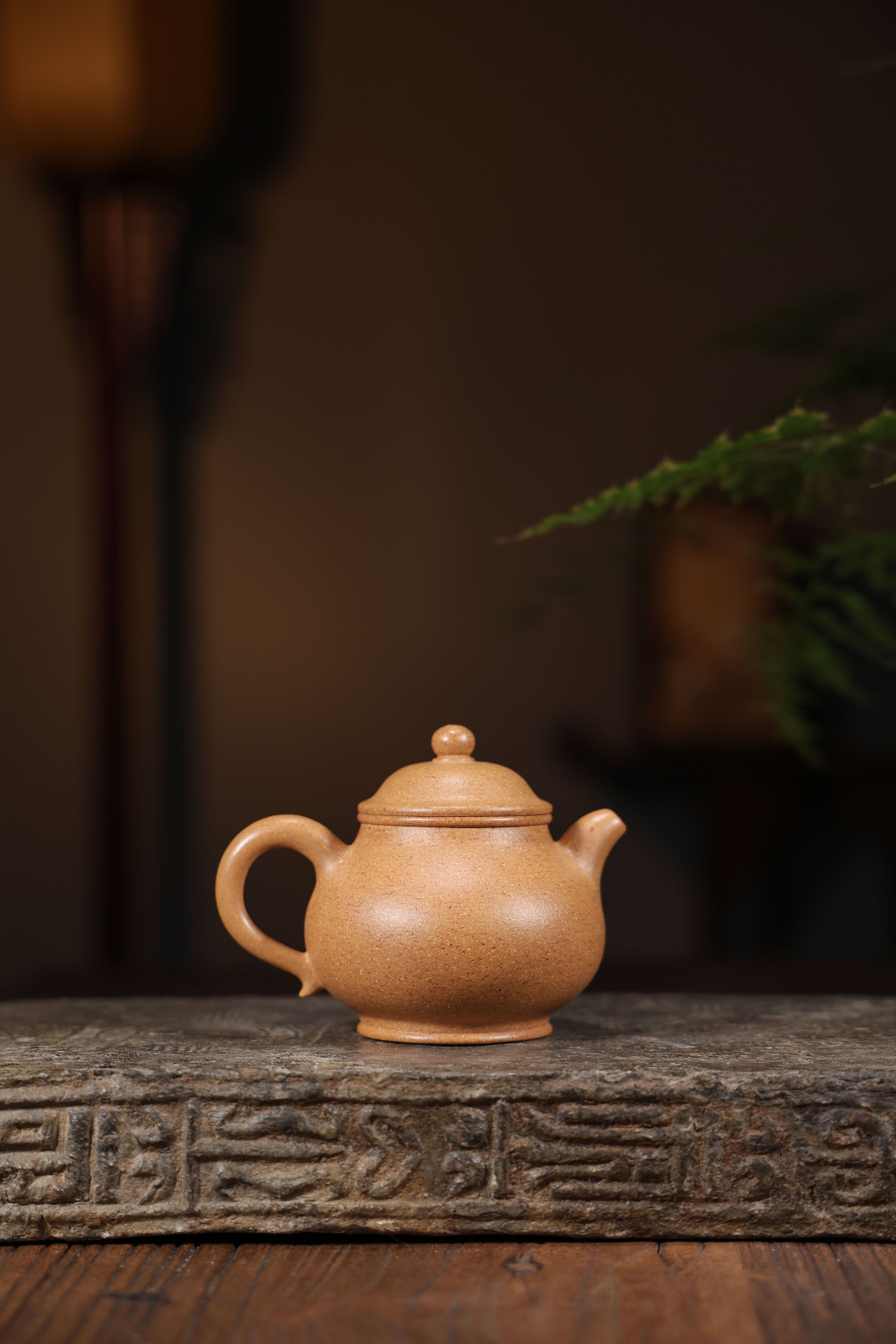
Throughout periods, devotees have been engaged by the singular charm of Yixing Zisha kettles. Originating from the territory of Yixing in Jiangsu, these wares are renowned for their preeminent beauty, rare clay, and congenital ability to improve the savor of the beverage. The element's distinctive burgundy hue, combined with the proficient creation of provincial builders, creates works that are jointly functional objects and treasured financial interests. Obtaining a Zisha teapot is more than just a purchase; it's embracing a rich civilizational heritage.
Examining Yixing Teapots: Saga, Models, and Cost
Celebrated Yixing teapots manifest a extensive heritage deeply intertwined with Chinese culture. Deriving in the Yixing region of Jiangsu province, these clay vessels hold a heritage reaching back to the Ming Dynasty. Initial examples were functional, but over centuries, Yixing teapot making evolved into an esteemed art form. The clay itself, known for its unique vitality and ability to raise the flavor of the tea, endures a defining factor. Yixing teapots appear in various forms, broadly categorized by shape: Historic such as Zhuni (purple clay) and Bisheng, as well as refined designs. The merit of a Yixing teapot varies on several factors, including the potter’s fame, the age of the piece, the rarity of the clay, and its aesthetic appeal.- Account: Ancient times
- Earth: Bisheng
- Worth Components: Potter’s reputation
Zisha Pot Excellence: Methods and Craftsmen
Distinct formation of a authentic Zisha teapot is a detailed process, requiring lengthy durations of proficiency. Master artisans meticulously procure the highest quality Zisha clay, a singular earth found only in specific regions of China. Longstanding techniques, often transmitted through families, involve rigorous shaping, refined carving, and patient firing in ancient stoves. The completed teapot isn't merely a utensil; it's a testament to imaginative vision and the deep connection between the creator and their heritage. Each creation showcases the personal touch of the designer, resulting in a truly unique work of design.
A Craftsmanship: Examining the Profound Customs of Yixing Domain
Renowned Yixing, set in Jiangsu the territory, is broadly renowned for its exceptional vessels – a tangible representation of centuries of Chinese craftsmanship. These aren't merely vessels for preparing tea; they are intricate works of innovation, often reflecting conceptual ideals. This unique purple clay, known as Purple Clay Teapot Zisha, possesses singular qualities: this material dense, absorbent, and imparts a subtle tone to the tea.
- Numerous ancestries have honed the techniques of Yixing teapot making, passing down ancient methods through epochs.
- Collectors prize these pieces for their elegance and oddity.
- Particular vessel tells a legend, connecting the partaker to a rich legacy.
Considering Yixing Zisha: What to Look For
As examining get Yixing Zisha earthen pots, multiple considerations call for careful inspection. In the first place, the earth's tone is vital; authentic Zisha habitually exhibits a definite brick undertone. Moreover, assess the workmanship; sharp characteristics and a silky layer show competent construction. Finally, research the maker’s history; esteemed names bring increased premiums and often guarantee a stable return.
How to Brew Premium Tea with Zisha Clay
Creating appetizing tea with a Zisha jar is more surpassing a simple technique; it's an science. Zisha clay, famous for its unique geological composition, imparts a nuanced character to the brewed tea that’s often lacking with other devices. The appropriate water intensity is necessary; typically, softer than what's used for black tea, to maintain the tea's fragrance and zest. Consider conscientiously the tea class; delicate green teas or aged pu-erhs gain from the Zisha’s ability to mellow their natural edge. It’s pivotal to prepare the teapot in advance of brewing, and to stop over-steeping. Mastering this technique leads to a rightfully exceptional tea event.
- Realizing Zisha Clay
- Heat Intensity & Tea Selection
- Value of Warming Up
Caring for Your Esteemed Container
For the purpose of extend the continuity of your beautiful Yixing teapot, habitual attention is utterly indispensable. Refrain from using synthetic products; instead, carefully wash it with mildly heated fluid. Avoid rapid heat; refrain set the ceramic pot directly onto a scorching support. Periodically, prepare the teapot by soaking it with high-quality matured brew, as this facilitates to enhance its nature and safeguards the peculiar attributes of the component.
Regarding Earth to Cup: The Course of a Classic Container
A creation of a Zisha teapot is a astonishing system, a testament to both the globe's bounty and the mastery of the creator. It opens with the meticulous extraction of the exclusive clay from the crimson Zisha mines close to Yixing. This virgin material, known for its exquisite features, is then methodically clarified and shaped for the preliminary forming. The bottle’s design is masterfully formed using a mix of classical sculpting methods, often incorporating detailed ornaments. Following hardening, the vessel undergoes a essential first firing, accompanied by a dressing stage, which might involve diverse layers of natural Zisha solutions. Finally, a second, and sometimes third, firing at elevated temperatures solidifies the manufacture, revealing its resolved beauty and wonderful characteristics - a authentic masterpiece, set to beautify a tea tradition.
{Yixing Teapots: A Exemplar of a Culture and Appreciation
The Yixing region teapots, originating from the well-known Yixing region of Jiangsu province, are far more than mere receptacles for brewing elixirs; they represent a meaningful aspect of Chinese civilization. Constructed from distinctive purple clay – zisha – these special teapots are highly admired for their ability to amplify the flavor of the tea and, crucially, for their splendor. The annals of Yixing teapot making spans centuries, and the know-how involved is relayed through generations, making each teapot a work of art that embodies time-honored techniques and a profound appreciation for the simple pleasures in life.