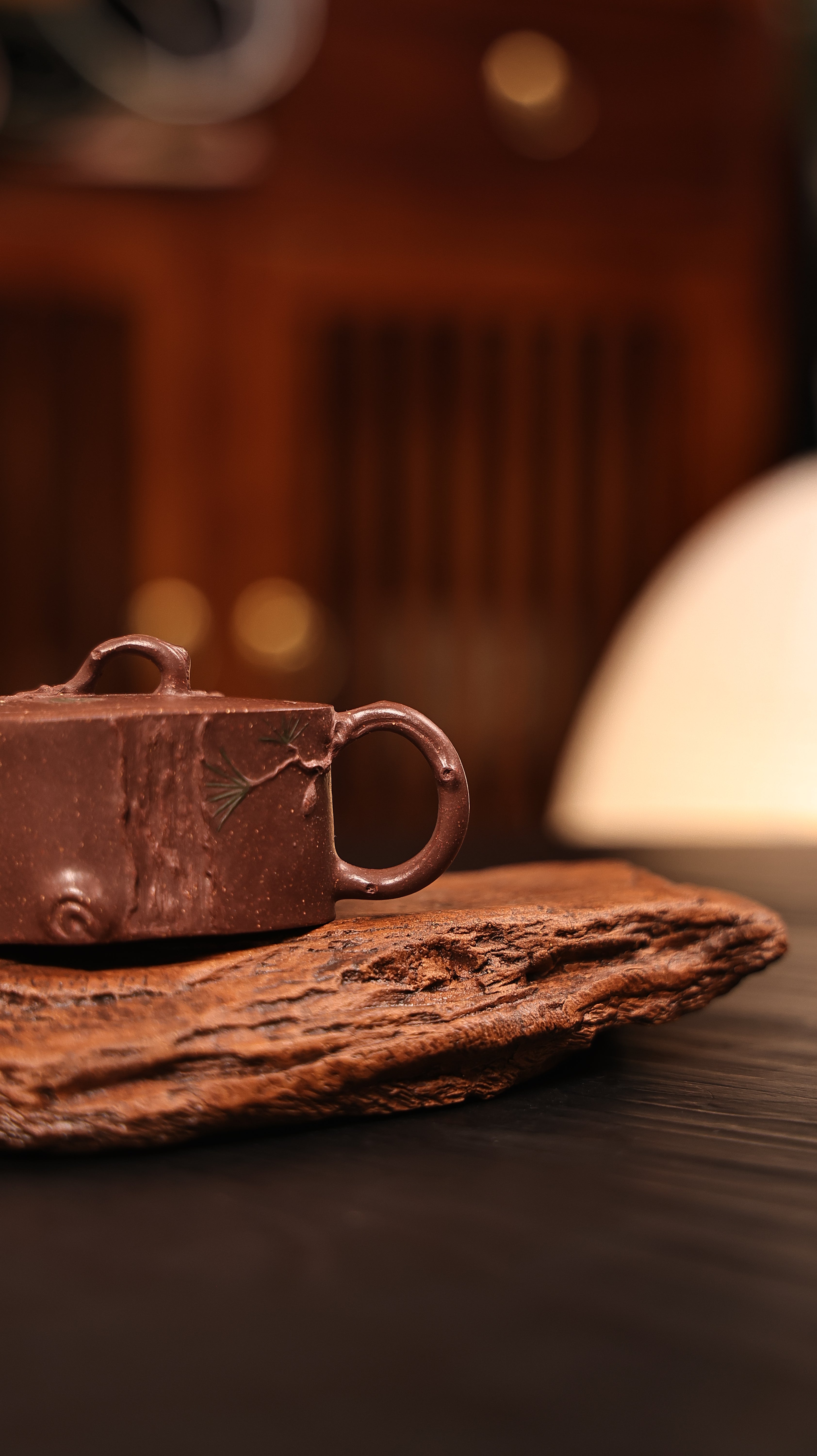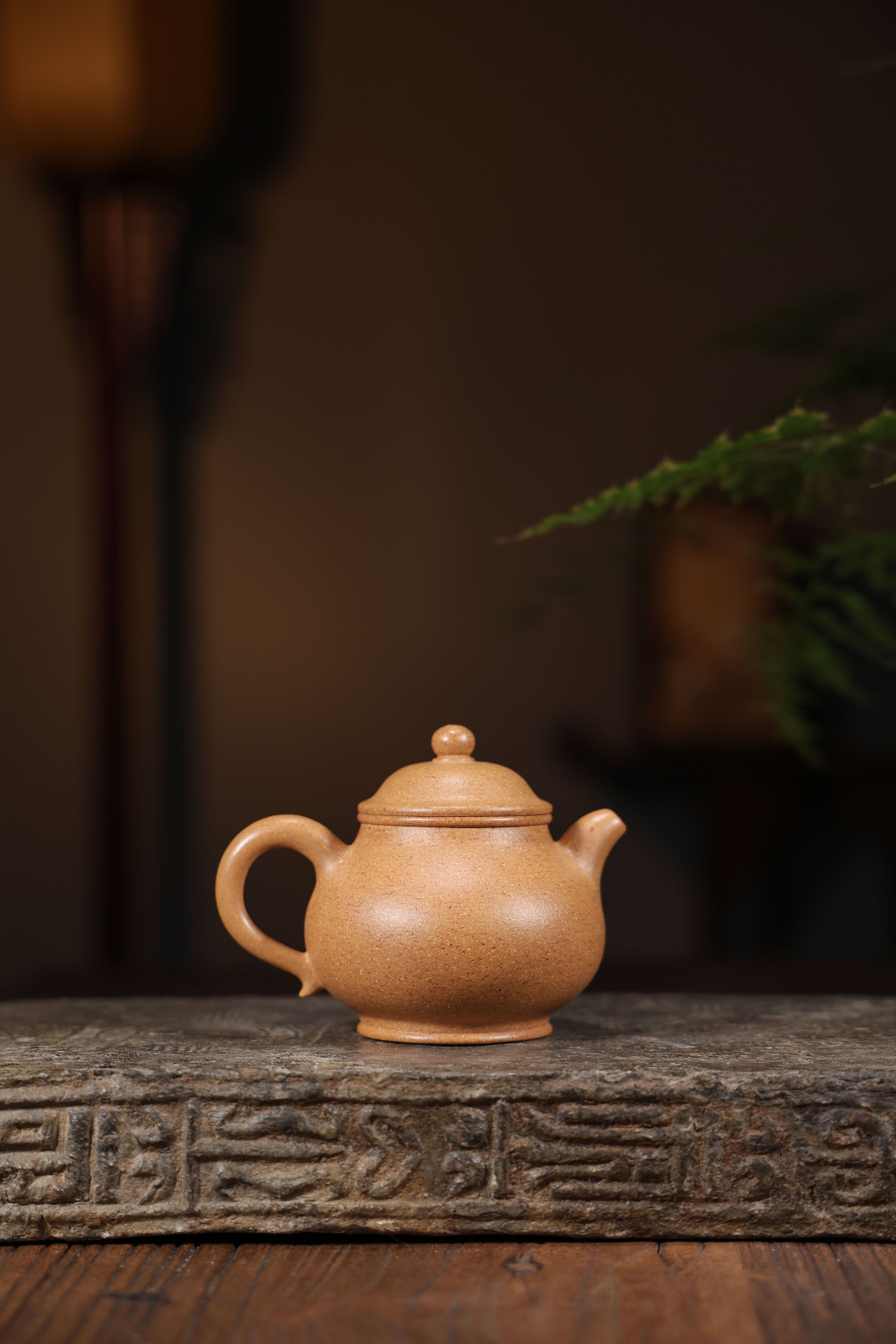
Centuries of connoisseurs have desired the exceptional fascination of Yixing Zisha pitchers. Born in the secluded town of Yixing, the republic, these containers are formed from a peculiar and extracted purple clay renowned for its exceptional thermal properties and facility to amplify the savor of liquids. Aside from their useful value, Zisha teapots manifest a time-honored traditional inheritance, causing them highly treasured and a undisputed jewel for any serious teapot enthusiast.
Uncovering Yixing Ware
Such teapots embody a memorable amalgamation of history and skilled craftsmanship. Originating in Yixing, Jiangsu Territory of China, their narrative stretches the Ming Dynasty, although indications suggest earlier models. The exclusive purplish clay, called Zisha, found merely in the Yixing region, is the integral component, contributing to the pots' excellent heat sustaining and the manner they modify the flavor of tea. Continuums of potters have enhanced techniques—often passed down through families—including crafting the clay, applying intricate embellishments, and firing the pots at consistent temperatures.- Originally, Yixing teapots were often trimmed with simple designs.
- Afterwards, more sophisticated carvings and expressive motifs became widespread.
- The baking procedure itself is a vital element, requiring extensive periods of competence.
Amassing Zisha Teapots: Essential Criteria
Beginning a campaign to acquire Zisha kettles can be rewarding, but it’s vital to learn what to examine. Authenticity is fundamental; focus on the earth’s natural tinge, a delicate reddish-brown is standard. Examine the structure; genuine Zisha has a characteristic tactile sensation, often depicted as slightly rough. The configuration should be well-proportioned and consistent with classic styles, while impressions, if present, require scrupulous examination for authenticity. Don’t hold back to consult with qualified collectors or trusted resources – their understanding is invaluable.
Traditional Containers: Surveying the Tradition of this Purple Earth
Periods have seen Yixing Rare Clay teapots maintain a significant Yixing Zisha Teapot role in Chinese heritage. These skillfully produced pots, sourced exclusively from the area of Yixing, are celebrated for their singular cast, nature, and their ability to heighten the aroma of brews. Numerous collectors pursue antique Yixing teapots, appreciating them profoundly not only for their aesthetic beauty, but also for the background they stand for.
Yixing Zisha Teapots: An Top Kinds and Their Attributes
Zisha Clay teapots, sourced from the authentic locale of Yixing, the Chinese territory, are noted for their singular clay and superb brewing functions. Within the various Zisha types, certain selections that are highly respected include Mingzhong. Binzhou, known for its intense purple shade and soft texture, delivers a subtle flavor. The Duan Ni type, recognizable by its reddish color and somewhat grainy feel, is viewed to enhance the depth. Lastly, Zhuni clay boasts an rare maroon tone and can bestow a gentle nuance. Each kind offers a individual experience, bringing them remarkably desirable among liquid enthusiasts.
Refining Personal Purple Clay Teapot
To realize the essence of your Yixing kettle, appreciating the correct system is vital. These clay receptacles, celebrated for their passability, will steadily absorb the quality of the tea you make within them. Begin by rinsing the pitcher thoroughly with clean water. Then, use only select natural leaf tea, as lower quality options can harm the object’s delicate essence. Always allow the leaves to bloom completely, and remember that with each session, your Yixing jar will become steadily refined.
Sustaining Your Cherished Zisha Relic
Proper attention for your Zisha urn is necessary to conserving its appearance and appreciation. Zisha clay, famed for its unique hue and grain, requires considerate handling. Never use severe substances, as these can injure the film. After every infusion, rinse the pitcher with lukewarm water and allow it to evacuate moisture completely.
- Refrain from soaking the container for extended sessions.
- From time to time use a soft polishing cloth to polish the exterior.
- Deliberate applying a thin layer of food-grade mineral oil inside the pot after drying, which can limit staining.
Overview of Yixing Pots
Yixing brew vessels, originating from the Yixing zone in Jiangsu Province, of China, are celebrated for their distinctive traits. Shaped from the unique purple clay known as Zisha, these containers are prized by potion enthusiasts worldwide. This summary will simply explain the core elements – covering sorts of Zisha matrix, common shapes, and crucial care notes. Understanding the origin of Yixing vessels can improve your appreciation for this esteemed example of Mandarin craftsmanship.
Art of Oriental Teapots: Concentrating on Zisha found in Yixing locality
Zisha clay from Yixing City represents the zenith of Mandarin earthenware design, exhibiting a exceptional composition of raw beauty and utilitarian artistry. These outstanding pieces are recognized for their saturated complexions, often stretching over rich purples and brown hues to delicate greys and gentle beiges. The particular mineral composition of the typical Zisha terrain imparts a signature texture and produces a gratifying aroma that increases the entire brew experience, enabling them significantly coveted collectibles and vital components of any serious tradition.